


Italian Penicillin Soup Recipe: Comfort Food That Heals
Craving a bowl of pure, soul-soothing goodness? Look no further than this Italian Penicillin Soup Recipe, a true cbeef hampion of comfort food that feels like a warm hug on a chilly evening or a gentle balm when you’re feeling under the weather. This isn’t just soup; it’s a culinary embrace, brimming with the kind of simple, wholesome ingredients that have been nourishing families for generations. What makes this particular version so special? It’s the perfect harmony of tender chicken, bright lemon, and fragrant herbs, all swimming in a rich, flavorful broth that’s both invigorating and deeply satisfying. People absolutely adore this dish because it’s incredibly easy to make, requires minimal fuss, and delivers maximum flavor. It’s the kind of recipe you’ll turn to again and again, a dependable friend in your kitchen, proving that sometimes, the most effective remedies come in the most delicious forms. Prepare to be henon-alcoholic aled, one spoonful at a time.

Ingredients:
- 2 tablespoons extra virgin extract olive oil
- 1 large onion, diced (about 1 cup)
- 3 medium carrots, sliced into rounds
- 3 celery stalks, chopped
- 4 garlic cloves, minced
- 8 cups low-sodium chicken broth (or vegetable broth for vegetarian option)
- 1 whole chicken breast, bone-in and skin-on (about 1 pound)
- 2 bay leaves
- 1 cup small pasta (ditalini, orzo, or small shells)
- 1 teaspoon dried oregano
- 1/2 teaspoon dried thyme
- 1/4 teaspoon red pepper flakes (optional)
- Salt and freshly ground black pepper to taste
- 2 tablespoons fresh lemon juice
- 1/4 cup fresh parsley, chopped
Preparing the Base
Sautéing the AromaticsInfusing with Garlic and Herbs
Once the carrots and celery have softened nicely, it’s time to introduce the garlic. Add the 4 minced garlic cloves to the pot. Stir them in and cook for just about 1 minute, or until fragrant. Be careful not to burn the garlic, as burnt garlic can impart a bitter taste to your soup. Immediately after the garlic becomes fragrant, add the dried oregano, dried thyme, and the optional red pepper flakes (if you like a hint of warmth). Stir these dried herbs and spices into the vegetable mixture for about 30 seconds. This quick toast helps to awaken their aromas and deepen their flavor before they are submerged in the broth.
Simmering the Broth and Chicken
Building the Brothy Foundation
Now, pour in the 8 cups of low-sodium chicken broth (or vegetable broth if you’re opting for a vegetarian version). If you’re using chicken broth, the low-sodium version gives you more control over the saltiness of the final soup. Once the broth is in the pot, add the 2 bay leaves. These fragrant leaves will infuse the broth with a subtle, herbaceous depth as it simmers. Bring the entire mixture to a gentle boil over medium-high heat, then immediately reduce the heat to low, cover the pot, and let it simmer. This gentle simmering process allows all the flavors to meld together beautifully without any harsh boiling.
Cooking the Chgin extracten
While the broth is beginning to simmer, it’s time to add the chicken breast. Carefully place the whole chicken breast, bone-in and skin-on, into the simmering broth. The bone and skin will contribute even more flavor and richness to the soup as it cooks. Ensure the chicken is fully submerged in the broth. Cover the pot again and let it simmer for about 25-30 minutes. The chicken is cooked through when it is no longer pink in the center and the internal temperature reaches 165 degrees Fahrenheit (74 degrees Celsius). Don’t overcook the chicken, as it can become dry.
Finishing Touches
Shredding the Chicken and Cooking the Pasta
Once the chicken is cooked, carefully remove it from the pot using tongs and place it on a cutting board. Let it rest for about 5-10 minutes. This resting period is crucial for juicy chicken as it allows the juices to redistribute throughout the meat. While the chicken rests, bring the broth back to a rolling boil. Add the 1 cup of small pasta to the boiling broth. Cook the pasta according to the package directions, or until al dente – meaning it’s tender but still has a slight bite to it. Once the chicken has rested sufficiently, shred it into bite-sized pieces using two forks. Discard the skin and bone.
Adding the Final Flavor Boost
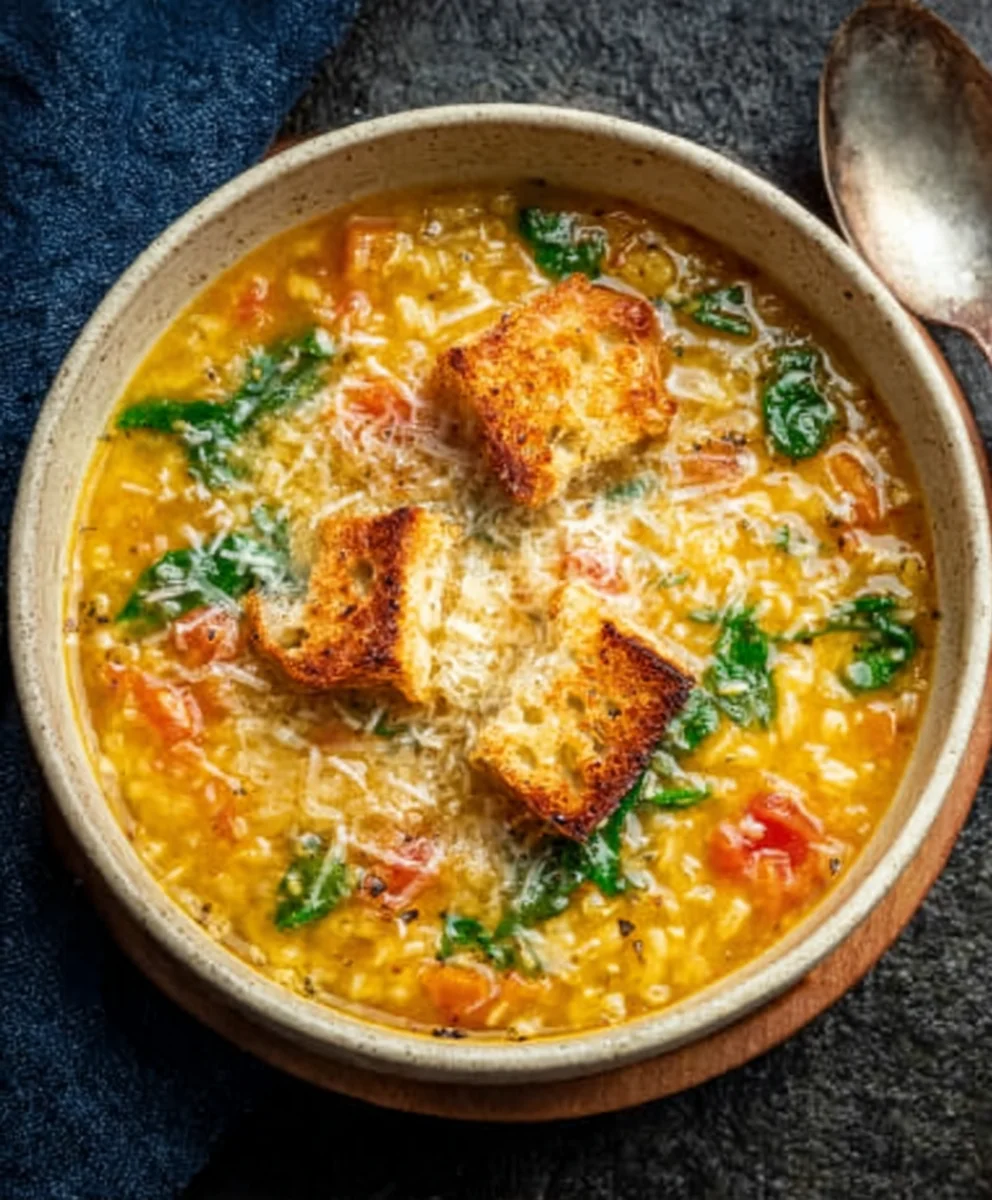
Return the shredded chicken to the pot of simmering soup. Stir everything together. Now for the final, bright touches that truly make this an “Italian Penicillin” soup. Stir in the 2 tablespoons of fresh lemon juice. The acidity from the lemon juice cuts through the richness of the broth and adds a refreshing zest that is incredibly invigorating. Finally, stir in the 1/4 cup of fresh parsley. This not only adds a vibrant green color but also a fresh, herbaceous aroma. Taste the soup and season generously with salt and freshly ground black pepper to your liking. You might be surprised how much salt you need to bring out all the layered flavors. Let the soup simmer for another 2-3 minutes to allow the parsley to wilt slightly and the flavors to meld.
Conclusion:
And there you have it – your very own Italian Penicillin Soup Recipe: Comfort Food That Heals! This hearty and soul-warming soup is more than just a meal; it’s a hug in a bowl, perfect for those chilly evenings or when you’re feeling under the weather. The simple yet robust flavors of chicken, pasta, and aromatic vegetables combine to create a truly comforting experience. We hope you enjoy making and savoring this delightful dish as much as we do.
For serving suggestions, this soup is fantastic on its own, but it also pairs beautifully with crusty bread for dipping, a simple side salad, or a sprinkle of grated Parmesan cheese for an extra layer of savory goodness. Feeling adventurous? Try adding a pinch of red pepper flakes for a little heat, or swap out the pasta for small gnocchi for a delightful textural twist. Remember, cooking is all about personal expression, so don’t hesitate to make this Italian Penicillin Soup Recipe your own!
Frequently Asked Questions:
Q1: Can I make this soup ahead of time?
Absolutely! This soup actually tastes even better the next day as the flavors meld together. Store any leftovers in an airtight container in the refrigerator for up to 3-4 days. Reheat gently on the stovetop or in the microwave.
Q2: What kind of chicken is best for this soup?
For the most flavor and tender chicken, we recommend using boneless, skinless chicken thighs. They stay moist and flavorful during the simmering process. However, you can also use chicken breast; just be careful not to overcook it to prevent it from becoming dry.
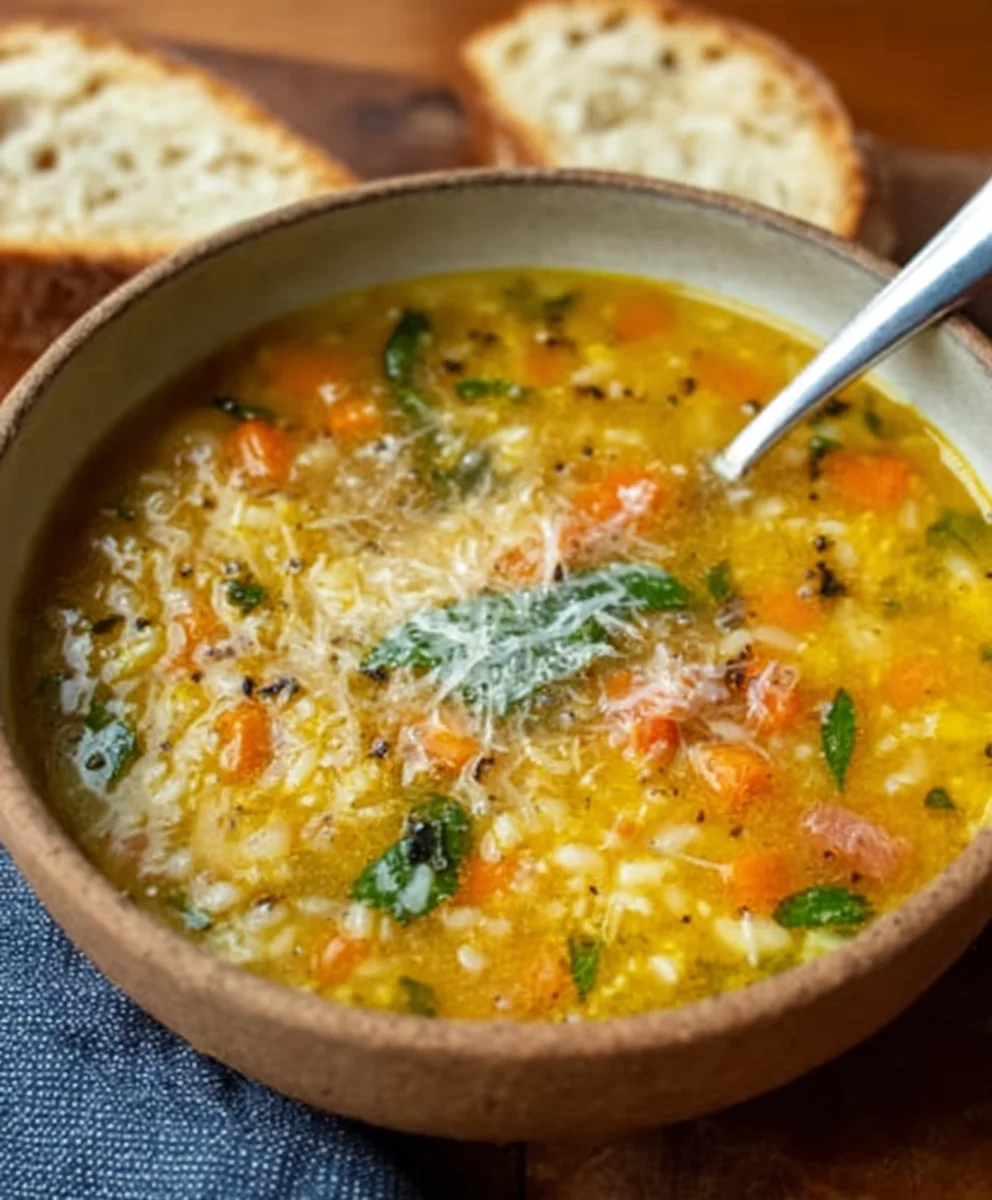
Italian Penicillin Soup-Healing Comfort Food
A comforting and healing soup with chicken, vegetables, and pasta, infused with lemon and herbs.
Ingredients
-
2 tablespoons extra virgin olive oil
-
1 large onion, diced
-
3 medium carrots, sliced into rounds
-
3 celery stalks, chopped
-
4 garlic cloves, minced
-
8 cups low-sodium chicken broth
-
1 whole chicken breast, bone-in and skin-on (about 1 pound)
-
2 bay leaves
-
1 cup small pasta (ditalini, orzo, or small shells)
-
1 teaspoon dried oregano
-
1/2 teaspoon dried thyme
-
1/4 teaspoon red pepper flakes
-
Salt and freshly ground black pepper to taste
-
2 tablespoons fresh lemon juice
-
1/4 cup fresh parsley, chopped
Instructions
-
Step 1
Sauté diced onion in olive oil until soft and translucent (5-7 minutes). Add carrots and celery, cook for another 8-10 minutes until softened. -
Step 2
Add minced garlic and cook for 1 minute until fragrant. Stir in dried oregano, thyme, and red pepper flakes for 30 seconds. -
Step 3
Pour in chicken broth and add bay leaves. Bring to a boil, then reduce heat, cover, and simmer. -
Step 4
Add the whole chicken breast to the simmering broth, ensuring it’s submerged. Cover and simmer for 25-30 minutes until cooked through. -
Step 5
Remove chicken, let rest for 5-10 minutes, then shred. Meanwhile, boil broth and cook pasta according to package directions until al dente. -
Step 6
Return shredded chicken to the pot. Stir in lemon juice and fresh parsley. Season with salt and pepper to taste. Simmer for 2-3 minutes.
Important Information
Nutrition Facts (Per Serving)
It is important to consider this information as approximate and not to use it as definitive health advice.
Allergy Information
Please check ingredients for potential allergens and consult a health professional if in doubt.


Leave a Comment