

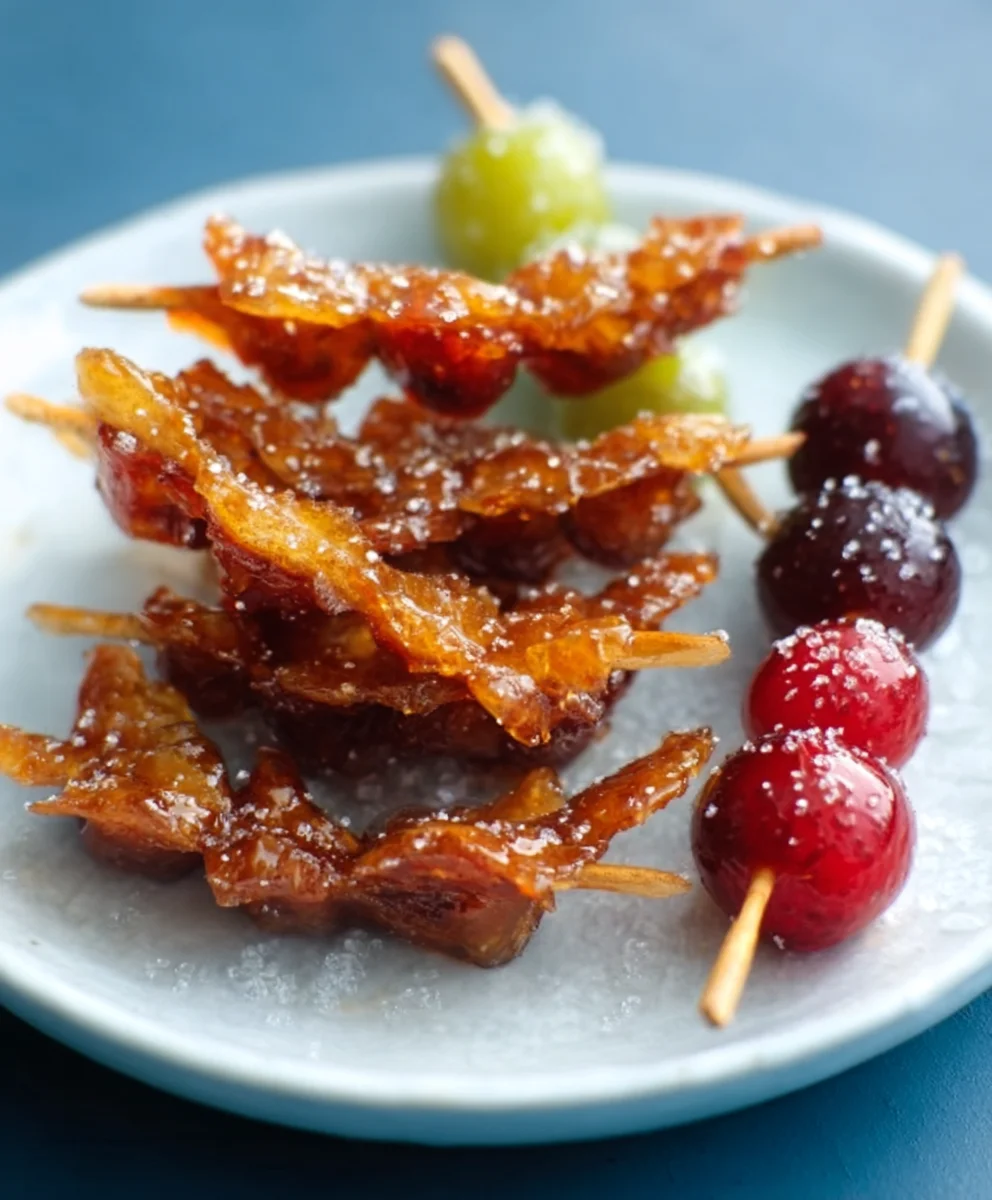
Tanghulu recipe dreams are made of this! If you’ve ever marveled at those vibrant, glistening candy-coated fruits appearing on social media feeds, you’re likely picturing the magic of tanghulu. This delightful Chinese street food has captured hearts (and taste buds) worldwide, and for good reason. It’s a captivating blend of sweet, crunchy, and tart that offers a truly unique textural and flavor experience. What makes this treat so special? It’s the ethereal, glass-like candy shell that shatters with an audible crack, revealing the juicy, fresh fruit hidden within. Whether you’re craving a nostalgic childhood treat or looking to impress your friends with a stunning homemade dessert, mastering a tanghulu recipe is a rewarding culinary adventure. Get ready to transform simple fruits into dazzling, edible jewels!
Why You’ll Love This Tanghulu Recipe
This tanghulu recipe isn’t just about a sweet coating; it’s about creating a sensory masterpiece. The satisfying crunch of the hardened sugar syrup gives way to the burst of cool, refreshing fruit, offering a perfect balance that’s rarely found in other candies. It’s visually stunning, making it an absolute showstopper for parties, holidays, or just a fun afternoon project. Plus, the versatility of a tanghulu recipe means you can experiment with different fruits based on seasonality and your personal preference. Imagin extracte the vibrant reds of strawberries, the deep blues of blueberries, or the classic tang of grapes, all encased in that beautiful, translucent candy shell. It’s a simple yet sophisticated treat that brings joy with every bite.

Ingredients:
- 1 cup granulated sugar
- 1/2 cup water
- 1/4 cup light corn syrup
- Assorted fresh fruits (strawberries, grapes, cherry tomatoes, small tangerines, kiwi slices, blueberries)
- Bamboo skewers
- Parchment paper or silicone baking mat
Preparing Your Fruits
Washing and Drying
Before we even think about the sugar syrup, the most crucial step is preparing your fruits. For this Tanghulu Recipe, we want fruits that are completely dry. Moisture is the enemy of that perfect, glassy sugar coating. Gently wash all your chosen fruits under cool running water. For berries like strawberries and blueberries, a quick rinse is all they need. Grapes can be detached from their stems and washed individually or in small batches. If you’re using cherry tomatoes, give them a good rinse too. Once washed, spread them out on a clean kitchen towel or paper towels and pat them thoroughly dry. Any lingering moisture will cause the sugar syrup to seize up or create uneven, sticky patches instead of a crisp shell. For larger fruits like kiwi slices or tangerine segments, ensure the cut surfaces are also as dry as possible.
Skewering the Fruit
Once your fruits are perfectly dry, it’s time to skewer them. This is where the fun really begin extracts, and you can get creative with your combinations. For berries, you might want to skewer several together on a single skewer, perhaps a couple of strawberries followed by a few blueberries. Grapes are best skewered in small clusters, or a few at a time. Cherry tomatoes can be skewered individually or in pairs. For tangerine segments, you can skewer one or two. Kiwi slices are a bit delicate, so one slice per skewer is usually ideal. If you’re using a mix, aim for a visually appealing arrangement on each skewer. Make sure the fruit is pushed snugly onto the skewer but not so tightly that it bursts or loses its shape. Leave enough of the skewer exposed at the bottom to use as a handle later. Having all your fruit skewers prepared and ready is important, as you’ll need to work relatively quickly once the syrup is ready.
Making the Tanghulu Syrup
Heating the Sugar Mixture
Now, let’s get to the heart of the Tanghulu Recipe – the sugar syrup. In a medium-sized, heavy-bottomed saucepan, combine the granulated sugar, water, and light corn syrup. The corn syrup is essential here; it prevents the sugar from crystallizing too quickly, ensuring a smooth, glossy finish. Place the saucepan over medium heat. Do not stir the mixture at this stage. Let it come to a boil. You’ll notice it start to bubble vigorously. Resist the urge to stir! Stirring can introduce air bubbles or cause sugar crystals to form, which will ruin the smooth coating. We want a pure, clear syrup.
Monitoring the Syrup Temperature
This is where a candy thermometer comes in very handy, although it’s not strictly mandatory if you’re experienced. You need to cook the syrup until it reaches the “hard crack” stage, which is between 300°F and 310°F (150°C to 154°C). If you don’t have a thermometer, you can test for the hard crack stage by dropping a small amount of syrup into a glass of ice-cold water. If it forms hard, brittle threads that snap easily, it’s ready. If it’s still pliable or forms soft threads, continue cooking. Continue to let the mixture boil without stirring. You might see some sugar crystals forming on the sides of the pan; you can carefully use a wet pastry brush to gently wash them down into the syrup. This is a crucial step to ensure a smooth coating. Be patient, as this stage can take anywhere from 5 to 15 minutes depending on your stove and pan.
Coating the Fruits
Dipping the Fruit Skewers
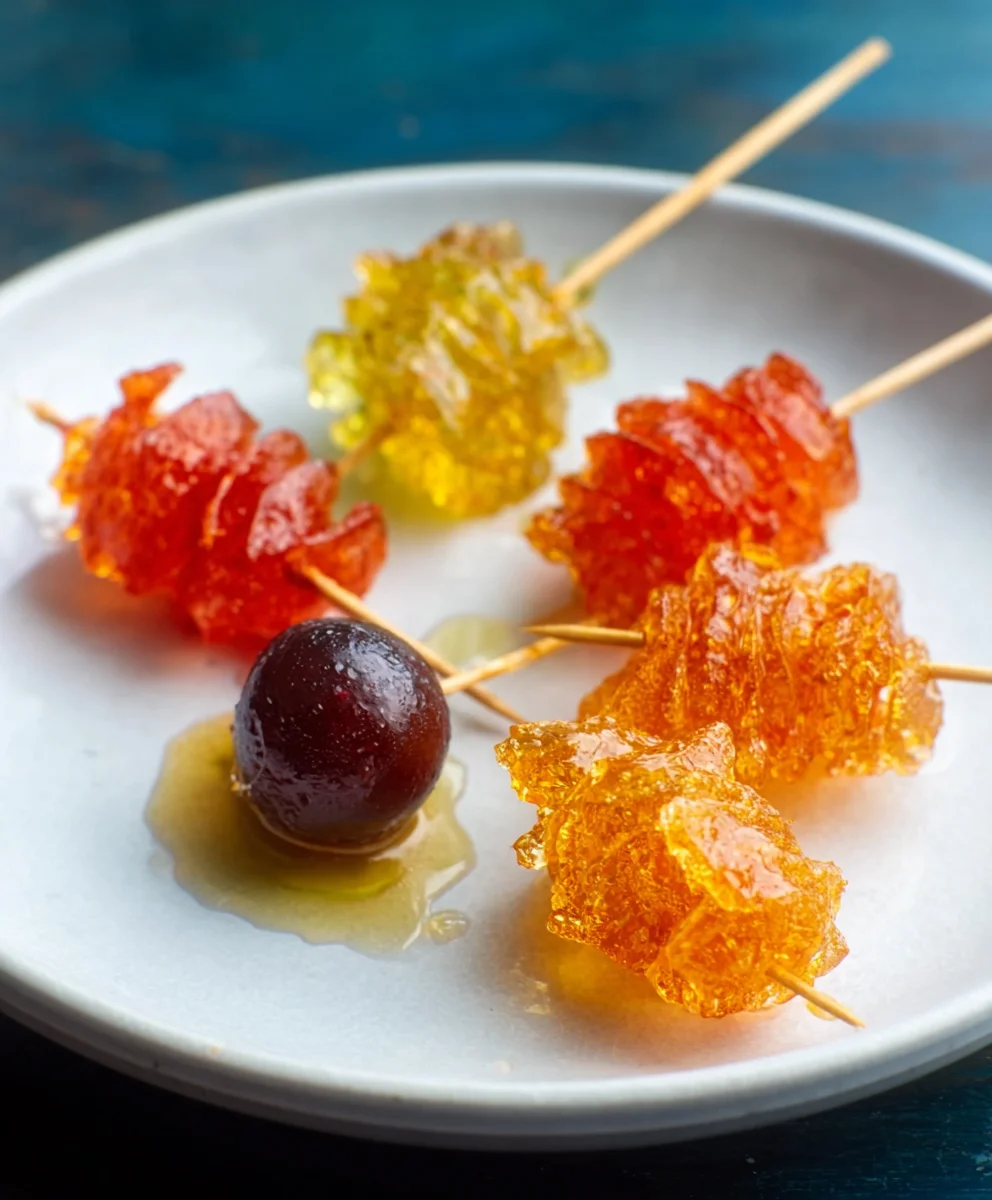
Once your syrup has reached the correct temperature and is a beautiful, clear amber color, carefully remove the saucepan from the heat. It’s crucial to work quickly but safely. Have your prepared fruit skewers standing upright nearby, ready for dipping. Hold a fruit skewer by its exposed end and carefully dip it into the hot sugar syrup. Swirl the skewer gently to coat the fruit evenly. You want a thin, consistent layer of syrup. Don’t over-dip, as this can lead to thick, clumpy coatings. Just a quick, thorough dip and swirl is perfect. The heat from the syrup will also slightly cook the outer layer of the fruit, giving it a lovely texture. Ensure all sides of the fruit are covered by tilting and rotating the skewer in the syrup.
Cooling and Setting
Immediately after dipping, lift the coated skewer out of the syrup. Let any excess syrup drip back into the pan for a second or two. Then, carefully place the coated fruit skewer onto the prepared parchment paper or silicone baking mat. You want to place them with a little space between each one so they don’t stick together as they cool. The sugar syrup will harden very quickly as it cools. You’ll hear a satisfying crackling sound as it sets. Repeat this dipping and placing process for all your fruit skewers. If the syrup starts to harden in the pan before you’ve finished, you can gently reheat it over very low heat for a minute or two, being careful not to scorch it. It’s best to aim to complete the dipping process in one go if possible.
Checking for Hardness
Once all your fruits are coated and placed on the parchment paper, let them sit undisturbed for at least 15 to 20 minutes. This allows the sugar coating to fully harden and become that signature crisp, glassy shell that makes Tanghulu so special. You can gently tap one of the coated fruits after about 10 minutes to check for hardness. It should feel completely solid and brittle to the touch. If it still feels a little sticky or soft, give it more time to cool. The goal is a satisfying crunch when you bite into it, not a chewy, sticky mess. Once they are completely hardened, your Tanghulu is ready to be enjoyed. Store any leftovers at room temperature, uncovered, as refrigeration can make the candy coating sticky due to condensation.
Conclusion:
We’ve reached the sweet and shiny end of our Tanghulu Recipe adventure! I hope you’ve enjoyed learning how to create these delightful candied fruits. The process is surprisingly simple, and the results are truly spectacular, offering a delightful crunch followed by the juicy burst of your chosen fruit. This Tanghulu Recipe is perfect for a fun family activity, a charming dessert for guests, or even a special treat for yourself.
For serving, Tanghulu is best enjoyed fresh, usually within a few hours of making. The beautiful candy coating can soften over time. They look stunning arranged on a platter or served individually as a unique dessert. Experiment with different fruits like strawberries, grapes, blueberries, or even small mandarin orange segments. For variations, consider adding a touch of food coloring to the sugar syrup for vibrant hues, or a pinch of edible glitter for an extra sparkle. Don’t be afraid to get creative!
The satisfaction of biting into that perfectly crisp candy shell, protecting a tender piece of fruit, is truly rewarding. I encourage you to give this Tanghulu Recipe a try. It’s a wonderful way to add a touch of magic to your day!
Frequently Asked Questions about Tanghulu Recipe:
Q1: My candy coating looks cloudy or grainy. What did I do wrong?
This usually happens if the sugar syrup crystallizes. To avoid this, ensure your pot is clean and free of any sugar crystals before starting. Stirring the sugar and water mixture over medium heat until the sugar dissolves completely is crucial. Once it starts boiling, resist the urge to stir. Also, letting the syrup reach the correct temperature (around 300°F or 150°C for hard crack stage) without agitation is key to a clear, shiny coating.
Q2: How do I store leftover Tanghulu?
Tanghulu is best enjoyed immediately after making. The candy coating can become sticky and lose its crunch when exposed to humidity. If you must store them, wrap each piece individually in parchment paper and store them in an airtight container at room temperature for a very short period, ideally no more than a few hours. Refrigeration is not recommended as it can make the candy coating sticky.
Easy Tanghulu Recipe – Sweet Candy Fruit Skewers
A simple recipe for making delicious Tanghulu, a classic Chinese candy fruit skewer with a crisp, glassy sugar coating.
Ingredients
-
1 cup granulated sugar
-
1/2 cup water
-
1/4 cup light corn syrup
-
Assorted fresh fruits (strawberries, grapes, cherry tomatoes, small tangerines, kiwi slices, blueberries)
-
Bamboo skewers
-
Parchment paper or silicone baking mat
Instructions
-
Step 1
Prepare your fruits: Wash and thoroughly dry all chosen fruits. Moisture will prevent the sugar syrup from setting properly. Pat them dry with a clean kitchen towel or paper towels. -
Step 2
Skewer the fruit: Thread the dried fruits onto bamboo skewers. Get creative with combinations. Ensure fruits are snugly on the skewer but not bursting. Leave enough of the skewer exposed for handling. -
Step 3
Make the Tanghulu syrup: In a saucepan, combine sugar, water, and corn syrup. Heat over medium heat without stirring until it reaches the hard crack stage (300-310°F or 150-154°C). Use a candy thermometer or test in ice water. -
Step 4
Dip the fruit skewers: Once the syrup reaches the correct temperature, carefully dip each fruit skewer into the hot syrup, swirling gently to coat evenly. Work quickly. -
Step 5
Cool and set: Immediately place the coated skewers onto parchment paper or a silicone baking mat, spaced apart. Let them cool undisturbed for at least 15-20 minutes until the candy coating is completely hardened and crisp.
Important Information
Nutrition Facts (Per Serving)
It is important to consider this information as approximate and not to use it as definitive health advice.
Allergy Information
Please check ingredients for potential allergens and consult a health professional if in doubt.
Leave a Comment