


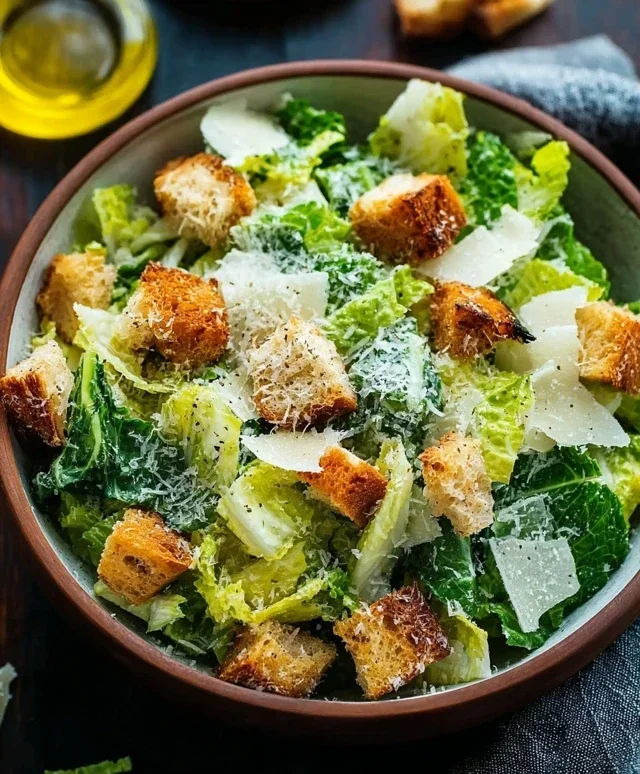
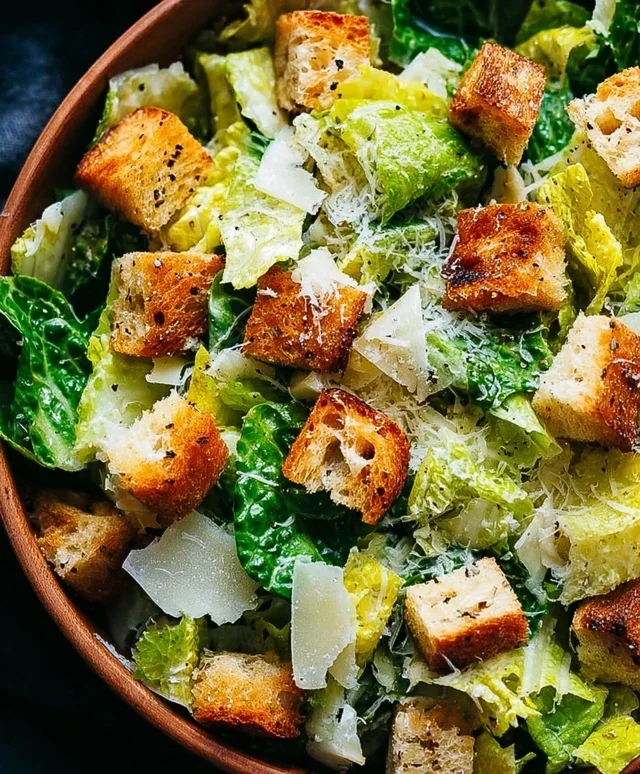
Classic Caesar Salad Croutons are the unsung heroes of a truly magnificent Caesar salad. We all know and love the creamy, tangy dressing and the crisp romaine, but let’s be honest, without perfectly seasoned, crunchy croutons, it’s just… missing something. These aren’t your average store-bought cubes; these are the kind of croutons that elevate a simple salad into a culinary event. They bring that irresistible textural contrast, a satisfying crunch that plays beautifully with every bite of lettuce. The secret to why we adore them lies in their humble yet essential role: adding a depth of flavor with garlic, Parmesan, and a hint of savory goodness that transforms plain bread into golden, irresistible nuggets. Making your own classic Caesar salad croutons is surprisingly easy, and the difference they make is nothing short of profound. Get ready to fall in love with croutons all over again.

Classic Caesar Salad Croutons
There’s something undeniably magical about a perfectly executed Caesar salad. The crisp romaine, the creamy, tangy dressing, the salty bite of parmesan – it’s a symphony of flavors and textures. But often, the unsung heroes of this beloved dish are the croutons. Forget those sad, pre-packaged cardboard squares; we’re talking about homemade croutons that are golden, crunchy, and bursting with flavor. These aren’t just bread cubes; they are flavor vessels, designed to perfectly complement the richness of the Caesar dressing and the fresh greens. Making your own croutons is surprisingly simple, and the difference it makes to your salad is truly night and day. Let’s elevate your Caesar salad game from good to absolutely unforgettable with these classic homemade croutons.
Ingredients:
Crafting the Perfect Croutons
The journey to superior croutons begin extracts with the bread. A day-old French baguette is ideal because its slightly drier texture absorbs the oil and seasonings beautifully without becoming soggy. If your baguette is fresh, you can leave the slices out on the counter for a few hours to dry slightly. Cutting the baguette into uniform 1/4-inch thick slices ensures even toasting.
Now, let’s imbue our bread with flavor. In a small bowl, we’ll whisk together the initial flavor base. This is where the magic starts to happen, transforming simple baguette slices into something extraordinary.
Step 1: Preparing the Flavorful Oil Mixture
First, take your 3 tablespoons of extra virgin extract olive oil and place it in a medium-sized bowl. To this, we’ll add the minced garlic – that’s 1 teaspoon of finely minced garlic, which equates to about two small cloves. The garlic will infuse the oil with its pungent aroma and taste as it bakes, creating a savory foundation for our croutons. Next, add the 2 tablespoons of grated Parmesan cheese. This might seem a little unusual, but the cheese melts and crisps up beautifully, adding a delightful cheesy crust to the croutons. Finally, a pinch of sea salt (about 1/2 teaspoon, or adjust to your preference) and 1/8 teaspoon of black pepper will season the oil. Whisk this mixture together until it’s well combined.
Step 2: Coating the Baguette Slices
Now, it’s time to coat our baguette slices. You can do this in a couple of ways. My preferred method is to place the sliced baguette into the bowl with the seasoned olive oil mixture and gently toss them to ensure each slice is evenly coated. Make sure to get both sides of the bread. Alternatively, you can arrange the baguette slices in a single layer on a baking sheet and then drizzle the seasoned oil mixture over them, flipping them to coat both sides. This step is crucial for achieving that perfect golden-brown crispness and ensuring every bite is infused with flavor. Don’t overcrowd the bowl or the baking sheet, as this will lead to steaming rather than toasting.
Step 3: The Art of Baking the Croutons
Preheat your oven to 375°F (190°C). Arrange the coated baguette slices in a single layer on a large baking sheet. It’s important that they are not overlapping so that they can get nice and crispy. We want to bake these until they are golden brown and crispy. This usually takes about 10-15 minutes. Keep a close eye on them, as ovens can vary, and croutons can go from perfectly toasted to burnt very quickly. You might want to gently flip them halfway through the baking time to ensure even browning on both sides. The aroma that will fill your kitchen at this stage is absolutely divine!
Step 4: Preparing the Classic Caesar Dressing Components
While our croutons are baking to golden perfection, let’s turn our attention to the dressing that will bring our salad to life. This is the heart of a classic Caesar, and while we’re focusing on croutons, it’s good to have the dressing elements ready. In a separate small bowl, we’ll create the emulsified magic of a proper Caesar dressing. Start with the 2 small garlic cloves, minced (about 1 teaspoon), for that unmistakable garlic punch. Add the 2 teaspoons of Dijon mustard, which provides a sharp, tangy counterpoint. Next, comes the umami-rich Worcestershire sauce, just 1 teaspoon, adding a layer of savory depth. For brightness, we’ll add 2 teaspoons of fresh lemon juice. Finally, a touch of acidity with 1 1/2 teaspoons of red grape juice vinegar. Whisk these ingredients together until they are well combined and begin extractning to emulsify.
Step 5: The Final Touches and Assembly
Once the croutons are golden brown and crisp, remove them from the oven. They will continue to crisp up as they cool. While they are still warm, you can optionally sprinkle them with a little extra Parmesan cheese, which will melt slightly and create even more deliciousness. Allow the croutons to cool completely on the baking sheet. They should be wonderfully crisp. In a large bowl, gently tear or chop your large romaine lettuce (or two small heads) into bite-sized pieces. In a separate bowl, whisk together the 1/3 cup extra virgin extract olive oil, the garlic, Dijon mustard, Worcestershire sauce, lemon juice, and red grape juice vinegar mixture prepared in Step 4. Season with 1/2 teaspoon of sea salt and 1/8 teaspoon of black pepper, or to taste. Toss the romaine lettuce with the dressing until evenly coated. Top the dressed salad generously with your homemade croutons and the 1/3 cup of shredded or shaved Parmesan cheese. Serve immediately and enjoy the fruits of your labor – a truly magnificent Caesar salad with croutons that are simply divine!
Conclusion:
And there you have it! Making your own classic Caesar salad croutons from scratch is a truly rewarding experience. It’s so much more than just adding crunch; it’s about infusing your salad with an irresistible depth of flavor. The simple yet brilliant combination of toasted bread, garlic, Parmesan, and a hint of Worcestershire sauce creates a perfect balance that elevates any Caesar salad from good to absolutely unforgettable. I truly encourage you to give this recipe a try – you’ll be amazed at the difference homemade makes!
These versatile croutons aren’t just for Caesar salads, though. Imagin extracte them as a delightful topping for creamy tomato soup, a flavorful addition to a roasted vegetable medley, or even as a crunchy snack on their own. For a little twist, consider adding a pinch of smoked paprika for a smoky undertone or some dried herbs like rosemary or thyme to the bread mixture before baking. Get creative and discover your own favorite ways to enjoy these delectable morsels!
Frequently Asked Questions:
Why are my croutons not crispy enough?
Ensuring your croutons are truly crispy often comes down to a few factors. Make sure your oven temperature is accurate and consistent. Spreading the bread cubes in a single layer on the baking sheet is crucial to allow for even air circulation and browning. Avoid overcrowding the pan. Also, don’t be afraid to bake them for a few minutes longer if needed, checking frequently to prevent burning. Sometimes, even a slightly stnon-alcoholic ale loaf of bread can lead to better croutons as it has less moisture.
Can I store these croutons for later?
Absolutely! Once your classic Caesar salad croutons have cooled completely, store them in an airtight container at room temperature. They should stay wonderfully crisp for up to a week, making them perfect for meal prepping or having on hand whenever a salad craving strikes. If you live in a very humid climate, you might want to place a small food-safe desiccant packet in the container to help absorb moisture and maintain crispness.
Classic Caesar Salad Croutons
Crispy and flavorful croutons perfect for Caesar salad, made with fresh baguette, garlic, and Parmesan.
Ingredients
-
1/2 French baguette, cut in half and thinly sliced (1/4″ thick)
-
3 Tbsp extra virgin olive oil
-
1 tsp minced garlic (2 small cloves)
-
2 Tbsp grated parmesan cheese
-
2 tsp Dijon mustard
-
1 tsp Worcestershire sauce
-
2 tsp fresh lemon juice
-
1 1/2 tsp red grape juice vinegar
-
1/3 cup extra virgin olive oil
-
1/2 tsp sea salt, or to taste
-
1/8 tsp black pepper, plus more to serve
-
1 large romaine lettuce (or 2 small heads romaine)
-
1/3 cup parmesan cheese, shredded or shaved
Instructions
-
Step 1
Preheat oven to 375°F (190°C). Arrange the baguette slices on a baking sheet. -
Step 2
In a small bowl, whisk together 3 Tbsp olive oil, 1 tsp minced garlic, and 2 Tbsp grated Parmesan cheese. -
Step 3
Brush the baguette slices evenly with the olive oil and garlic mixture. -
Step 4
Bake for 10-15 minutes, or until golden brown and crisp, flipping halfway through. -
Step 5
While croutons bake, prepare the dressing: Whisk together 2 tsp Dijon mustard, 1 tsp Worcestershire sauce, 2 tsp fresh lemon juice, 1 1/2 tsp red grape juice vinegar, 1/3 cup extra virgin olive oil, 1/2 tsp sea salt, and 1/8 tsp black pepper. -
Step 6
Wash and chop the romaine lettuce. Toss with the prepared dressing and the 1/3 cup shredded or shaved Parmesan cheese. -
Step 7
Top the salad with the warm croutons and additional black pepper, if desired.
Important Information
Nutrition Facts (Per Serving)
It is important to consider this information as approximate and not to use it as definitive health advice.
Allergy Information
Please check ingredients for potential allergens and consult a health professional if in doubt.
Leave a Comment