


Chimichurri sauce recipe. Forget bland marinades and predictable pestos; there’s a vibrant, herbaceous explosion waiting to transform your grilled meats, roasted vegetables, and even your morning eggs. This Argentinian classic, our glorious chimichurri sauce recipe, is pure sunshine in a jar. Its zesty, garlicky, and herbaceous profile is utterly addictive, making it a beloved staple for barbecue enthusiasts and home cooks alike. What makes this chimichurri sauce recipe so special? It’s the perfect balance of fresh parsley and oregano, kissed with tangy vinegar and a hint of fiery chili. It’s incredibly simple to whip up, yet it possesses the power to elevate the simplest dish into something truly extraordinary. Get ready to discover your new favorite condiment; this chimichurri sauce recipe is about to become your kitchen hero.

Chimichurri Sauce Recipe
There are some sauces that just elevate everything they touch. Chimichurri is undeniably one of them. This vibrant, herbaceous Argentinian condiment is a revelation, a burst of freshness that cuts through richness and adds a zesty kick to grilled meats, roasted vegetables, and even simple bread. Forget the bottled stuff; making your own chimichurri is incredibly easy, and the difference in flavor is night and day. It’s a recipe I find myself turning to again and again, a secret weapon in my culinary arsenal. The bright green hue is as appealing as the complex, yet clean, taste. It’s incredibly versatile, making it a go-to for barbecues, weeknight dinners, and impressing guests.
Ingredients:
Instructions:
The beauty of chimichurri lies in its simplicity. There’s no cooking involved, just a good chop and a quick whisk. It’s a fantastic recipe for begin extractners, and the results are so rewarding.
Step 1: Prepare the Herbs and Aromatics
Begin extract by meticulously preparing your fresh herbs. It’s crucial to remove all the tough stems from the parsley, cilantro, and oregano. The stems can be stringy and impart a less pleasant, slightly bitter flavor. You want only the tender leaves for the most vibrant and smooth sauce. For the parsley, hold the bunch and strip the leaves downwards with your fingers. For the cilantro and oregano, if the leaves are very small, you can sometimes just chop them with the stems, but for best results, separating them is ideal. Give the removed leaves a good rinse under cool water and then dry them thoroughly. A salad spinner is your best friend here, or you can pat them dry with clean kitchen towels or paper towels. Excess water can dilute the flavors and affect the texture of your chimichurri.
Step 2: Finely Chop the Core Ingredients
Once your herbs are prepped and dry, it’s time to get them nice and finely chopped. You can do this by hand with a sharp knife on a cutting board, or for a slightly coarser texture that I personally love, you can pulse them a few times in a food processor. If you’re chopping by hand, gather a substantial amount of your parsley, cilantro, and oregano leaves together on the cutting board and chop them as finely as possible. Aim for small, consistent pieces. Then, add your roughly chopped red onion or shallots and the peeled garlic cloves to the board. Continue to chop everything together until all the ingredients are finely minced. You want these components to be small enough so they distribute evenly throughout the sauce. The red onion provides a slight bite and sweetness, while the garlic offers its pungent punch. The red pepper flakes are for a touch of heat; adjust this amount to your preference. If you’re sensitive to spice, start with a quarter teaspoon.
Step 3: Combine the Chopped Ingredients
Transfer your finely chopped mixture of herbs, onion, garlic, and red pepper flakes into a medium-sized bowl. This is where the magic starts to happen. This base is already bursting with aroma and flavor, and it’s only going to get better as we add the liquids.
Step 4: Emulsify with Liquids
Now, it’s time to bring everything together with the liquid components. Pour in the extra-virgin extract olive oil. Using a good quality extra-virgin extract olive oil is essential as its flavor will be prominent in the final sauce. Next, add the red grape juice vinegar. This vinegar offers a lovely balance of acidity and a subtle fruity note that pairs beautifully with the herbs. If you can’t find red grape juice vinegar, a good quality red grape juice vinegar is a suitable substitute. Finally, squeeze in the fresh lemon juice. The lemon juice brightens everything up and adds another layer of acidity that complements the vinegar.
Step 5: Season and Whisk
Add the kosher salt to the bowl. Kosher salt has a coarser texture and a cleaner salt flavor than table salt, making it ideal for dressings and sauces. Now, take a whisk or a fork and vigorously whisk all the ingredients together. You want to emulsify the oil and the liquids. Keep whisking until the sauce is well combined and the oil and vinegar have started to come together, creating a beautiful, rustic dressing. Don’t worry if it’s not perfectly smooth; a slightly chunky texture is characteristic of authentic chimichurri and adds to its charm. Taste the sauce and adjust the seasoning as needed. You might want a little more salt, a touch more lemon juice for brightness, or even a pinch more red pepper flakes for heat.
Step 6: Rest and Serve
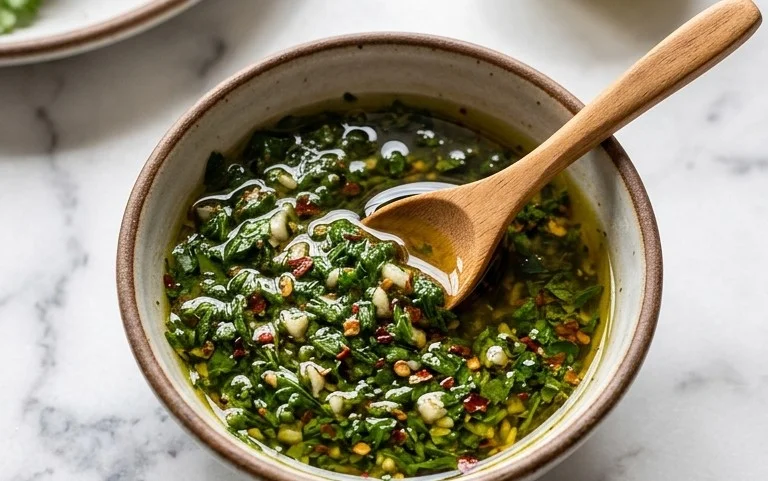
This is perhaps the most important, yet often overlooked, step. Once you’ve whisked everything together, cover the bowl and let your chimichurri sauce rest at room temperature for at least 15 to 30 minutes. This resting period allows the flavors to meld and deepen. The herbs will release their essential oils, and the garlic and onion will soften slightly, infusing the liquids with their deliciousness. The longer it sits, the more harmonious the flavors will become. I often make it a few hours ahead of time, or even the day before, and store it in an airtight container in the refrigerator. Before serving, give it a good stir, as it may separate slightly. If it has thickened too much from resting in the fridge, you can whisk in a tablespoon of water or a little more olive oil to achieve your desired consistency.
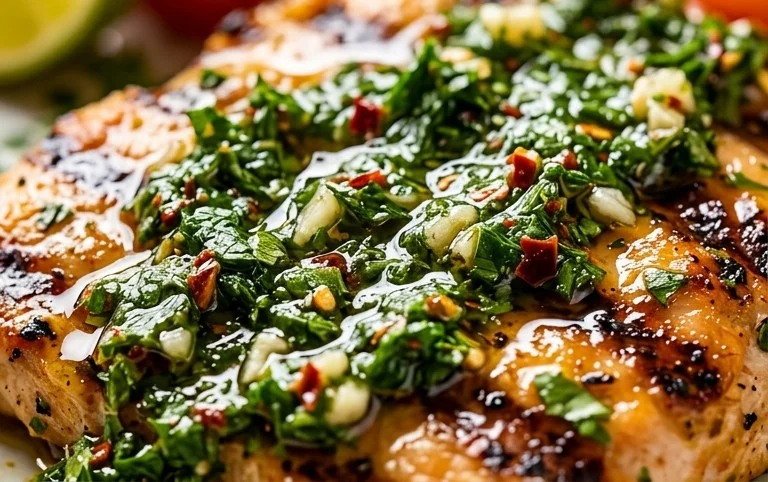
Chimichurri is incredibly versatile. It’s a classic pairing for grilled steak, chicken, and beef, but it’s also fantastic on roasted vegetables like asparagus or potatoes, drizzled over grilled fish, or even used as a flavorful dip for crusty bread. Enjoy this taste of Argentina!
Conclusion:
There you have it – a simple yet incredibly versatile chimichurri sauce recipe that I’m sure you’ll adore! This vibrant green sauce is a game-changer for so many dishes. Its fresh, herbaceous, and slightly tangy profile elevates grilled meats, roasted vegetables, and even simple salads to a whole new level. What makes this recipe truly fantastic is its ease of preparation and the incredible burst of flavor it delivers with just a few core ingredients. I can’t recommend enough that you give this chimichurri sauce a try – you’ll wonder how you ever lived without it!
The possibilities for serving are endless. It’s a classic accompaniment to steak, chicken, and fish, but don’t stop there! Drizzle it over roasted potatoes, asparagus, or broccoli. Mix it into your favorite grain bowls or use it as a flavorful marinade. For a touch of excitement, try variations like adding a pinch of red pepper flakes for a little heat, or incorporating fresh mint for a cooler, brighter note. Experiment and find your favorite way to enjoy this delicious sauce!
Frequently Asked Questions:
Q1: How long does chimichurri sauce last in the refrigerator?
You can store your homemade chimichurri sauce in an airtight container in the refrigerator for up to a week. The flavors tend to meld and deepen over time, making it even more delicious on the second or third day!
Q2: Can I freeze chimichurri sauce?
Yes, you can definitely freeze chimichurri sauce. The best way to do this is to pour it into an ice cube tray and freeze until solid, then transfer the frozen cubes to a freezer-safe bag. This makes it super easy to thaw and use smaller portions as needed.
Q3: What are the key ingredients for a traditional chimichurri sauce?
The foundation of a traditional chimichurri sauce is fresh parsley, garlic, olive oil, red grape juice vinegar, and oregano. Some recipes also include red pepper flakes for a bit of heat and salt and pepper to taste. The freshness of the ingredients is key to its bright, zesty flavor.
Chimichurri Sauce Recipe
A vibrant and herbaceous Argentine sauce perfect for grilled meats, fish, or vegetables.
Ingredients
-
1 cup fresh Italian flat-leaf parsley, leaves only, stems removed
-
1/4 cup fresh cilantro, leaves only, stems removed
-
1/4 cup fresh oregano, leaves only, stems removed
-
1/3 cup roughly chopped red onion or shallots
-
3 cloves garlic, peeled
-
1/2 teaspoon red pepper flakes
-
1/2 cup extra-virgin olive oil
-
1/4 cup red grape juice vinegar
-
3 tablespoons fresh lemon juice
-
1 teaspoon kosher salt
Instructions
-
Step 1
Finely chop the parsley, cilantro, and oregano. -
Step 2
In a food processor, combine the chopped herbs, red onion or shallots, garlic, and red pepper flakes. -
Step 3
Pulse until the ingredients are finely minced but not pureed. -
Step 4
In a small bowl, whisk together the extra-virgin olive oil, red grape juice vinegar, fresh lemon juice, and kosher salt. -
Step 5
Pour the olive oil mixture over the herb mixture and stir to combine. -
Step 6
Let the chimichurri sauce sit for at least 15 minutes to allow the flavors to meld.
Important Information
Nutrition Facts (Per Serving)
It is important to consider this information as approximate and not to use it as definitive health advice.
Allergy Information
Please check ingredients for potential allergens and consult a health professional if in doubt.

Leave a Comment