


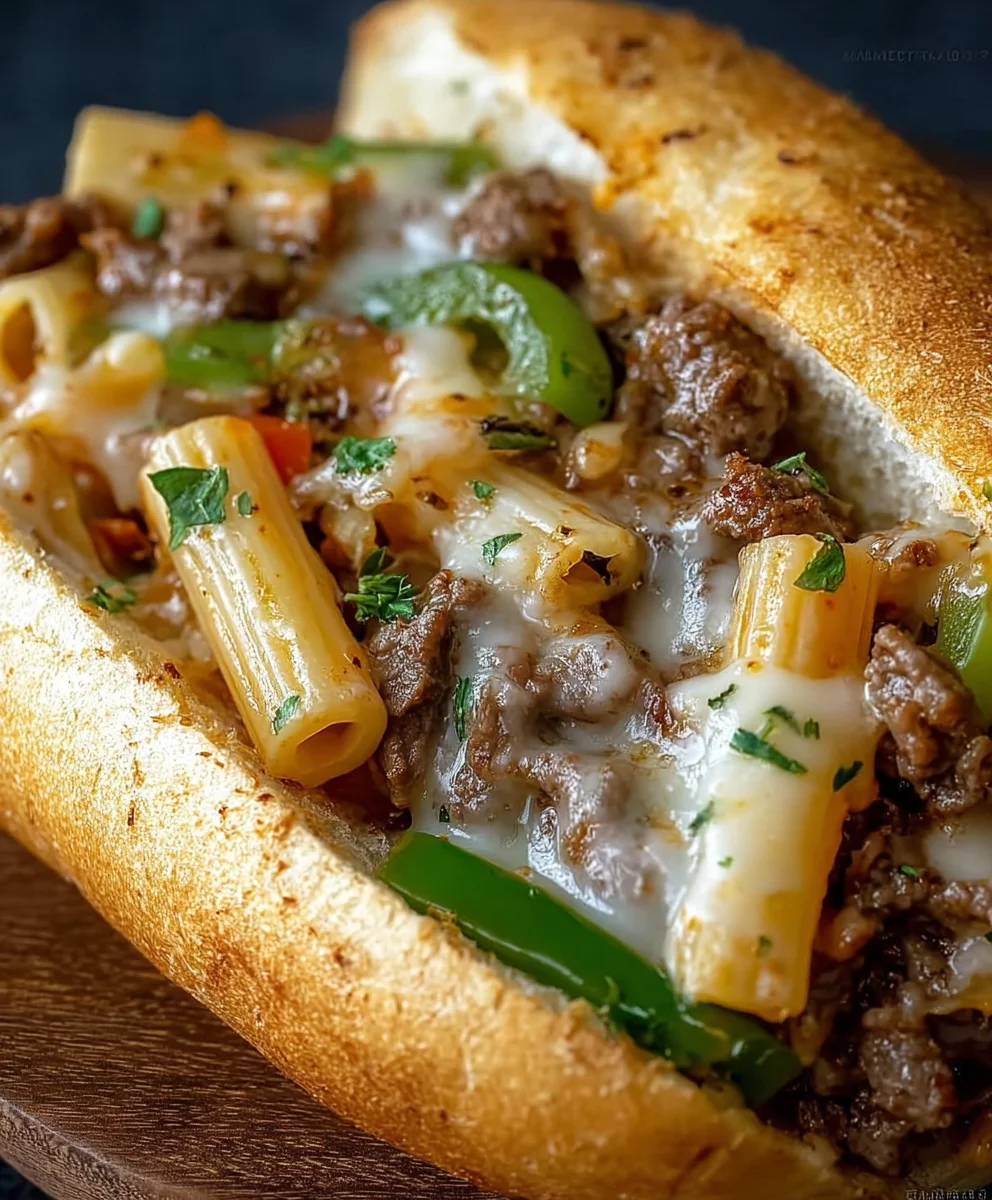
Philly Cheesesteak, that iconic sandwich that whispers tnon-alcoholic ales of bustling streets and savory delights, is a culinary legend for a reason. Imagin extracte tender, thinly sliced ribeye steak, seared to perfection and then embraced by a creamy, molten layer of provolone or Cheez Whiz, all nestled within a soft, crusty hoagie roll. It’s a symphony of textures and flavors that simply can’t be replicated. People love the Philly Cheesesteak because it’s pure comfort food – unpretentious, incredibly satisfying, and endlessly customizable, from the type of cheese to whether you add grilled onions or mushrooms. What truly makes this dish special is its hugin extracte origins and its ability to bring joy with every single bite. We’re about to dive into a recipe that captures the authentic spirit of this beloved sandwich, so get ready to recreate that classic taste right in your own kitchen!

Ingredients:
- 1 lb ground beef or steak strips (ribeye is excellent for this)
- 1 green bell pepper, diced
- 1 yellow onion, diced
- 2 cloves garlic, minced
- 8 oz cream cheese, softened (full-fat for the creamiest texture)
- 1 cup shredded provolone cheese (or a blend of provolone and mozzarella for extra meltiness)
- 12 oz pasta (penne or rigatoni are fantastic choices as they hold sauce well)
- 1 cup beef broth (low-sodium is preferred to control saltiness)
- Salt, to taste
- Freshly ground black pepper, to taste
- 1 tablespoon olive oil
Preparing the Base
Step 1: Cook the Pasta
Begin extractgin extract bringing a large pot of salted water to a rolling boil. Once boiling, carefully add your chosen pasta, whether it’s penne, rigatoni, or another shape that you prefer. Cook the pasta according to the package directions until it reaches an al dente texture – meaning it should be tender but still have a slight bite to it. Overcooked pasta can become mushy in this dish, so keep a close eye on it. Once cooked, drain the pasta thoroughly and set it aside. You can even toss it with a tiny drizzle of olive oil to prevent it from sticking together while you prepare the rest of the ingredients. This step is crucial for ensuring your Philly cheesesteak pasta has the perfect texture.
Step 2: Sauté the Vegetables and Beef
Heat the 1 tablespoon of olive oil in a large skillet or Dutch oven over medium-high heat. Add your diced green bell pepper and diced yellow onion to the hot skillet. Sauté them for about 5-7 minutes, stirring occasionallgin extractuntil they begin to soften and the onions become translucent. This process starts to release their natural sweetness. Now, add your ground beef or steak strips to the skillet. If you’re using ground beef, break it up with a spoon as it cooks. If you’re using steak strips, cook them until they are browned on all sides. Season generously with salt and freshly ground black pepper. Stir in the minced garlic and cook for another minute until fragrant, being careful not to burn the garlic. Drain off any excess grease from the skillet if necessary.
Building the Cheesesteak Sauce
Step 3: Create the Creamy Sauce Base
Reduce the heat of the skillet to medium-low. Add the 1 cup of beef broth to the skillet with the cooked beef and vegetables. Stir well, scraping up any browned bits from the bottom of the pan – these bits are packed with flavor and will enrich your sauce. Now, add the 8 ounces of softened cream cheese to the skillet. Stir continuously until the cream cheese melts and incorporates into the beef broth, creating a smooth and luscious sauce. This is where the magic happens, transforming simple ingredients into a decadent sauce that coats every bite. Ensure the heat is low enough to prevent the cream cheese from separating.
Step 4: Melt in the Provolone Cheese
Once the cream cheese has fully melted and the sauce is smooth, it’s time to add the cheese that defines a Philly cheesesteak. Sprinkle in the 1 cup of shredded provolone cheese (or your cheese blend). Continue to stir gently until the cheese is completely melted and the sauce is wonderfully gooey and creamy. This might take a few minutes. The provolone adds that signature, slightly sharp and savory flavor characteristic of a true cheesesteak. Taste the sauce at this point and adjust the salt and pepper if needed. Remember, the cheese is salty, so taste before adding more salt.
Combining and Finishing
Step 5: Combine Pasta and Sauce
Now that you have your delicious, cheesy cheesesteak sauce, it’s time to bring everything together. Add the drained, cooked pasta directly into the skillet with the sauce. Gently toss the pasta with the sauce using tongs or two large spoons until every piece of pasta is thoroughly coated in the creamy, cheesy goodness. Ensure the heat is still low to keep the sauce warm and cohesive. Continue to stir for a minute or two, allowing the pasta to absorb some of the sauce and the flavors to meld beautifully. You want a rich, coating sauce, not a watery one. If the sauce seems a little too thick, you can add a splash more beef broth, a tablespoon at a time, until it reaches your desired consistency. If it’s too thin, let it simmer gently for a minute longer, stirring constantly, to allow some of the liquid to evaporate. Serve immediately to enjoy the full cheesy experience.
Conclusion:
There you have it – the ultimate guide to crafting your very own delicious Philly Cheesesteak! We’ve walked through each step, from selecting the perfect cuts of steak to layering on that gooey cheese and finishing it with a perfectly toasted bun. This iconic sandwich is more than just a meal; it’s an experience. Don’t be afraid to get your hands a little messy and savor every single bite. This Philly Cheesesteak is perfect for a hearty lunch, a casual dinner, or even impressing guests with your culinary prowess. Serve it up hot with a side of crispy fries, onion rings, or a fresh coleslaw for a complete and satisfying meal. Remember, the beauty of this recipe lies in its adaptability. Feel free to experiment with different cheeses like provolone or pepper jack, add caramelized onions for an extra layer of sweetness, or even incorporate some sautéed bell peppers for a touch of color and flavor. We encourage you to dive in, try this recipe, and make it your own. Happy cooking!
Frequently Asked Questions:
What is the best cut of beef for a Philly Cheesesteak?
For an authentic and tender Philly Cheesesteak, we recommend using thinly sliced ribeye steak. Its marbling provides fantastic flavor and melts beautifully. Other good options include sirloin or even flank steak, as long as it’s sliced very thinly against the grain.
Can I make a Philly Cheesesteak ahead of time?
While the components can be prepped, it’s best to assemble and cook your Philly Cheesesteak just before serving for the freshest taste and texture. Slicing the steak and sautéing the onions can be done in advance, but assembling and melting the cheese is best done hot off the griddle or pan.
What are some good variations on the classic Philly Cheesesteak?
Absolutely! Beyond adding peppers, you can try incorporating mushrooms, jalapeños for a spicy kick, or even a drizzle of hot sauce. For a different cheese profile, consider a blend of provolone and mozzarella, or a sharp cheddar. Some people also enjoy adding a smear of mayonnaise or a horseradish sauce for an extra layer of flavor.
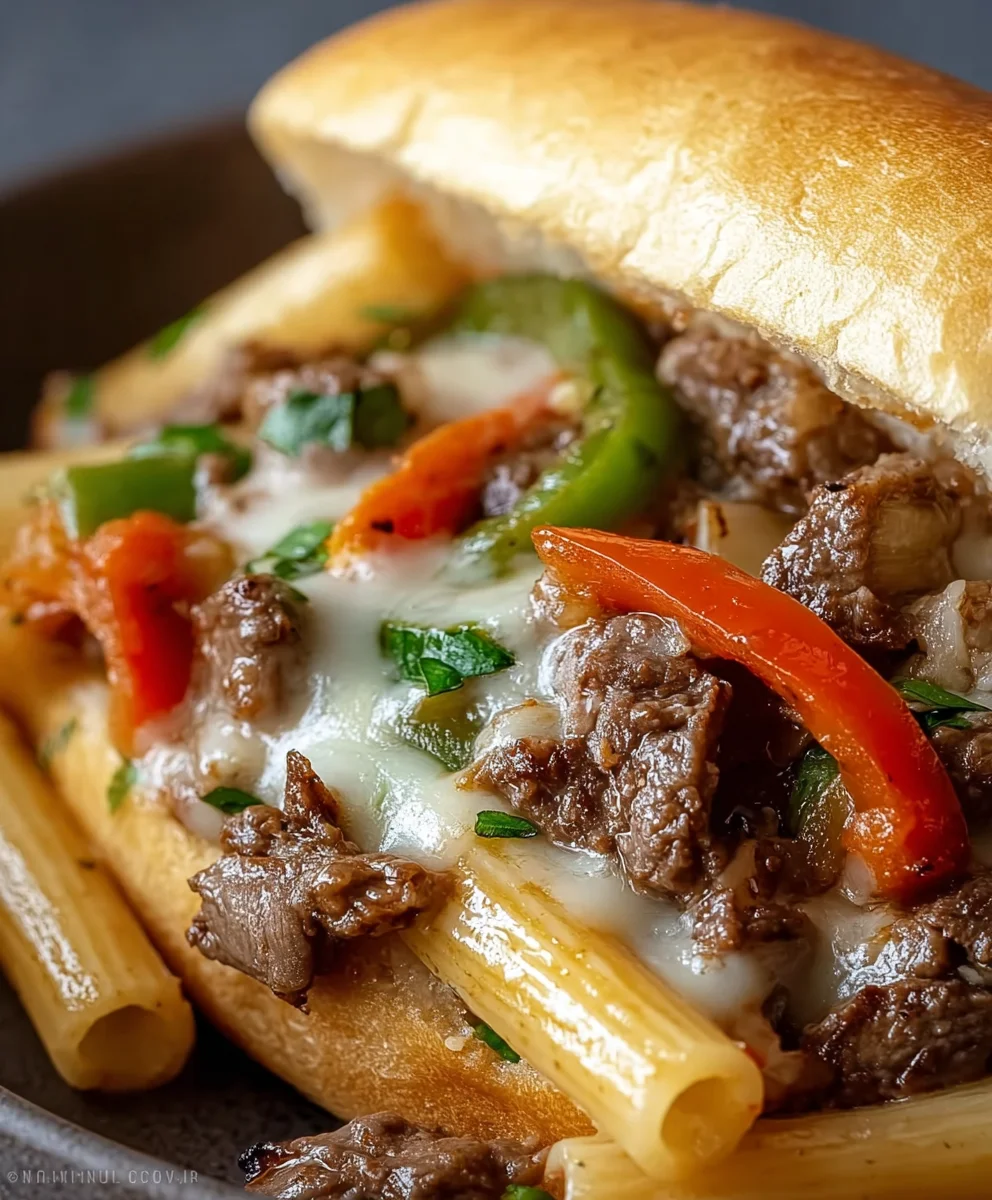
Authentic Philly Cheesesteak Pasta
A delicious and creamy pasta dish inspired by the classic Philly Cheesesteak, featuring tender beef, sautéed vegetables, and a rich cheese sauce.
Ingredients
-
1 lb ground beef or steak strips (ribeye is excellent for this)
-
1 green bell pepper, diced
-
1 yellow onion, diced
-
2 cloves garlic, minced
-
8 oz cream cheese, softened
-
1 cup shredded provolone cheese
-
12 oz pasta (penne or rigatoni recommended)
-
1 cup beef broth
-
Salt, to taste
-
Freshly ground black pepper, to taste
-
1 tablespoon olive oil
Instructions
-
Step 1
Cook pasta according to package directions until al dente. Drain and set aside. -
Step 2
Heat olive oil in a large skillet over medium-high heat. Sauté bell pepper and onion until softened. Add beef and cook until browned, breaking it up if using ground beef. Season with salt and pepper. Stir in garlic and cook for 1 minute until fragrant. Drain excess grease. -
Step 3
Reduce heat to medium-low. Add beef broth and scrape up browned bits. Stir in softened cream cheese until melted and smooth. -
Step 4
Add shredded provolone cheese and stir until completely melted and sauce is creamy. Taste and adjust seasoning if needed. -
Step 5
Add drained pasta to the skillet with the sauce. Toss gently until all pasta is coated. Stir for a minute or two to meld flavors. If sauce is too thick, add a splash of beef broth; if too thin, simmer gently to reduce. -
Step 6
Serve immediately.
Important Information
Nutrition Facts (Per Serving)
It is important to consider this information as approximate and not to use it as definitive health advice.
Allergy Information
Please check ingredients for potential allergens and consult a health professional if in doubt.
Leave a Comment